British Casinos Not on GamStop 2026: The Complete UK Guide
 Available in US
Table of Contents
- What “Not on Gamstop” Actually Means for a British Player in 2026
- Are British Casinos Not on Gamstop Legal in the UK?
- The 2026 UK Regulatory Squeeze — Why More Players Are Looking Off-Register
- How We Ranked the Top British Casinos Not on Gamstop
- UKGC Squeeze Calculator
- The Top 8 British Casinos Not on Gamstop 2026
- British Casinos Not on Gamstop at a Glance — Comparison Table
- British Casino Bonuses Outside Gamstop — Welcome Offers, Free Spins, No Deposit
- Slots, Live Dealer, Table & Crash — The 2026 Games Landscape
- Payments at British Casinos Not on Gamstop — GBP, E-Wallets, Crypto
- Fast Payout British Casinos Not on Gamstop — What “Instant” Actually Costs
- Mobile and App Play at UK Casinos Not on Gamstop
- Licensing Behind Non-Gamstop Casinos — Curaçao Post-LOK, Anjouan and What They Guarantee
- New British Casinos Not on Gamstop Launched in 2026
- Playing Responsibly Outside the UK Framework

Two facts frame everything that follows. By the close of 2025, over 562,000 people in Great Britain were actively self-excluded through Gamstop — roughly one adult in a hundred. And from 1 April 2026, HM Treasury lifted Remote Gaming Duty from 21% to 40%, nearly doubling the fiscal load on every UKGC-licensed online casino. The offshore market did not build this migration. The domestic squeeze did.
British casinos not on Gamstop sit outside both pressures. They run under offshore licences — mostly Curaçao, increasingly Anjouan — and continue to accept UK players who either cannot or will not stay inside the UKGC framework. This guide covers what that market actually looks like in 2026: who the credible operators are, what their bonuses and payouts really deliver, where the trade-offs sit, and how the licensing story changed under Curaçao’s LOK reform and the new UK tax regime. Jump straight to the operator ranking below if you are short on time.
No pretence here that offshore play is risk-free. It isn’t. What follows is a straight, non-fluffed read on what a British adult should look for if they have decided to play outside the UK register.
What “Not on Gamstop” Actually Means for a British Player in 2026
Gamstop is the UK’s national online self-exclusion register. Sign up once — for six months, one year, five years, or five years on auto-renewal — and every casino, bookmaker, and bingo site holding a UK Gambling Commission licence has to block you. Registration became mandatory for UKGC operators on 31 March 2020. It is legally binding on their side and, once confirmed, cannot be shortened or cancelled early on yours.
A British casino “not on Gamstop” is not simply a UK site that opts out. It cannot. Every UKGC licensee integrates with Gamstop by licence condition. What “not on Gamstop” means, in practice, is that the operator holds a licence somewhere else — Curaçao, Anjouan, Malta in a few cases — and accepts UK players anyway. The Gamstop register has no reach across those borders. Neither does the UKGC.
That distinction is worth pausing on because it explains the entire architecture. When you read that a site accepts self-excluded UK players “outside GamStop”, it means the site is not connected to the UK register at all. There is no legal handshake between your Gamstop status and the Curaçao-licensed operator you just signed up with. The operator likely runs its own self-exclusion tool, but it will not check the Gamstop database, because it is not required to and, in most cases, cannot.
Registrations are climbing hard. In the second half of 2025 alone, 58,675 new users joined the register — an average of 319 per day, according to Gamstop’s own H2 2025 update. Sign-ups from 16–24-year-olds rose 40% year-on-year. Total lifetime registrations pushed past the 590,000 mark by early 2026. The scheme works. It also creates a very large pool of people who, at some later point, want to gamble again and can’t do so at any UK-licensed site. Non-Gamstop operators are where that traffic ends up.
Whether that trade — the safety net for the freedom — is worth it depends entirely on why you’re crossing the line. If it’s discipline you already have and stakes you already understand, offshore is a lifestyle choice. If Gamstop was a rescue, offshore is a doorway back into the fire. Nobody’s here to lecture. Just to be honest about the map.
Are British Casinos Not on Gamstop Legal in the UK?
For the player: yes. For the operator without a UKGC licence, technically no — but that offence sits with them, not with you. The Gambling Act 2005 regulates who can supply gambling services in the UK. It does not criminalise UK residents for using sites licensed elsewhere. There is no HMRC letter waiting because you deposited at a Curaçao-licensed casino.
The consequence is subtler. Every consumer protection wrapped around a UKGC licence — the £5 online slot cap for over-25s, the £2 cap for 18–24s, mandatory affordability triggers from around £150 in monthly losses, the ban on credit cards, ADR dispute routes, the compulsory Gamstop plug-in — falls away the moment you sign up offshore. UK winnings remain tax-free either way; HMRC taxes the operator’s gross gaming yield, not the player. But your consumer position weakens dramatically. If a Curaçao site withholds a £5,000 payout on a contested KYC technicality, the UKGC has no lever to help you. The Financial Ombudsman won’t hear it either.
The UKGC continues to press illegal-market issues on the operator side. In the 2024/25 financial year the regulator issued more than 770 cease-and-desist notices to unlicensed operators. Those targets are the operators, not their players. UK banks, though, are separately becoming stricter about processing payments to non-UKGC gambling sites — that’s a commercial friction, not a legal one, but worth planning around if you rely on card deposits.
The bigger 2026 shift is fiscal. Remote Gaming Duty jumped from 21% to 40% on 1 April 2026, and a new 25% general betting duty for remote sports betting is due from April 2027. HM Treasury openly framed the RGD hike as a public-health lever, not just a revenue measure. For UK-licensed operators, the maths shifted overnight. For non-Gamstop sites, the tax doesn’t apply — but nor do the compliance guardrails that come with it.
Are British casinos not on Gamstop legal for UK players?
Yes. UK gambling law regulates operators, not players. There is no UK offence for a resident who deposits at a Curaçao-licensed or Anjouan-licensed casino. The catch is not criminal but practical: you forfeit the UKGC’s consumer protections — affordability oversight, the stake cap, Gamstop enforcement, and formal dispute resolution routes.
The 2026 UK Regulatory Squeeze — Why More Players Are Looking Off-Register
This is the piece most non-Gamstop guides skip, which is exactly why it matters. The offshore market didn’t grow because Curaçao got fancier. It grew because the UK regulator, the Treasury, and the industry itself squeezed the licensed market until non-Gamstop sites became more attractive to a widening pool of players.
Consider what changed on UKGC-licensed sites between April 2025 and January 2026, in one breath. The £5 stake cap on online slots came in on 9 April 2025 for all adults, then dropped to £2 per game cycle for players aged 18–24 from 21 May 2025. Autoplay and turbo spins were already banned. A mandatory 2.5-second minimum game cycle time stayed in force. From 19 January 2026, wagering requirements on bonus funds at UKGC sites were capped at 10x maximum, and mixed-product bonuses — the ones that used to bundle sports and casino under one wagering trail — were prohibited outright. Financial vulnerability checks continue to trigger around modest monthly loss thresholds.
Then the fiscal side landed. Effective 1 April 2026, Remote Gaming Duty on UK-licensed online casino, live dealer, and poker revenue rose from 21% to 40%. HMRC’s own analysis expects operators to pass roughly 90% of that hike to consumers through worse pricing, lower RTPs, or thinner promotions. Flutter reported a 340-basis-point margin contraction in its Q1 2026 UK & Ireland numbers, attributing it directly to the new rate. Several mid-tier operators are openly assessing whether the UK is still worth the effort.
The player-side result is predictable. UKGC casinos in 2026 offer smaller bonuses with tighter wagering caps, lower stakes, slower-feeling slots, and thinner margins on the back end. Offshore operators — freed from the £5 stake cap, the 10x wagering rule, and the 40% RGD — advertise multi-thousand-pound welcome packages, unrestricted slot mechanics, and payout speeds the UKGC’s KYC pipeline can’t match.
That’s not a moral judgement, either way. It’s just the market physics. Non-Gamstop growth in 2026 is a downstream effect of decisions taken upstream, at DCMS and the Treasury. The average punter who defected from a UKGC brand this year didn’t do so because of a viral advert. They did it because the UKGC product got harder to enjoy at the exact moment the offshore product got easier.

How We Ranked the Top British Casinos Not on Gamstop
Every ranking on the offshore side of the market involves compromises the UKGC one doesn’t. There is no single regulator to defer to. There is no ADR scheme baked in. There is no Gamstop cross-check. The methodology has to compensate.
UKGC Squeeze Calculator
From 1 April 2026, Remote Gaming Duty on UK-licensed casinos jumped from 21% to 40%. HMRC’s own analysis expects operators to pass roughly 90% of that hike to players through lower RTPs and thinner promotions. This works out what the squeeze costs you — in effective RTP, and in real money per month and year.
How this is worked out: a slot’s house edge is (100% − RTP), and Remote Gaming Duty is charged on the operator’s gross gaming yield — i.e. on that edge applied to your turnover. When the rate rises from 21% to 40% and the operator passes a share of the increase into a lower RTP, the edge you play against widens. This calculator applies your chosen pass-through to that duty increase, shows the resulting effective RTP, and multiplies the wider edge across your turnover. It’s a modelled illustration of the market mechanic, not a quote from any specific operator — real pass-through varies by brand and game, and offshore sites pay no UK duty but also carry no UKGC protections. Variance means any single month can land either side of the expectation. 18+ · Please gamble responsibly — GamCare’s helpline (0808 8020 133) is free and 24/7.
Ours weighted six criteria. Licensing status — specifically, whether the site holds a valid Curaçao CGA direct licence under the LOK regime, an Anjouan authorisation, or one of the fading grey-market shell arrangements. Payout reliability under stress, which we tested by tracking withdrawal times to a mid-four-figure balance across e-wallet, card, and crypto rails, then repeating the test after a bonus was cleared. Bonus honesty — the gap between the advertised percentage and what actually reaches your withdrawable balance after wagering, cashout caps and eligible game weighting. Game library depth and provider spread — a lobby dominated by a single studio is a resilience risk. Support responsiveness, judged against KYC queries specifically rather than pre-sales chat. And the operator’s ownership transparency: which parent B.V. sits behind the brand, and how many other sites share that ownership.
That last point matters more than most guides admit. A large share of the offshore market accepting UK traffic in 2026 runs on two networks. Santeda International B.V. operates MyStake, Rolletto, GoldenBet, Velobet, Cosmobet and Donbet. Ryker B.V. operates Freshbet, JackBit, 20Bets, and CasinOK. Both networks share sportsbook technology from Upgaming and overlap in game providers. If you switch between “different” non-Gamstop sites and feel a sense of déjà vu, this is why. It is not necessarily a red flag — networks let smaller brands access serious infrastructure — but it is a fact worth having.
We tested a wider list of over thirty operators before shortlisting these eight. Sites without a valid post-LOK Curaçao registration or a verifiable Anjouan authorisation were dropped, regardless of bonus size. Sites with recurring complaint patterns on independent reputation trackers were also dropped, even if the licence checked out. What remained forms the ranking below.

The Top 8 British Casinos Not on Gamstop 2026
The list below is ranked. Each entry gives you the headline offer, the licence, the payout profile, and an honest assessment of who it suits. None of these operators is perfect. All of them are what UK players actually use in 2026.
1. MyStake — Best Overall for Library and Sportsbook
MyStake anchors the Santeda network and, in most 2026 tests, the entire non-Gamstop segment. Its casino lobby carries north of 4,000 titles, an integrated sportsbook with pre-match and in-play coverage, and one of the deepest mini-games catalogues offshore — Aviator, JetX, Plinko, and their descendants. Welcome offer is 150% up to £500 plus 200 free spins on first deposit, with 300% up to £1,500 available via alternate promo routes.
Wagering runs at 30x on the bonus, above the UKGC’s 10x ceiling but on the honest side of offshore norms. Payments cover Visa, Mastercard, Skrill, Neteller, Bitcoin, USDT, and Ethereum, and the cashier is one of the few that surfaces withdrawal thresholds transparently. Crypto payouts typically clear within an hour once verification is done. Card and bank transfer sit at 24 to 48 hours. Licence: Curaçao CGA, under the Santeda B.V. corporate structure.
Where MyStake falls short: the support experience during high-volume KYC weeks is uneven, and the sheer size of the promotions menu can obscure which bonus is actually the best value on your first deposit. Read the terms twice before opting in.
2. Rolletto — Highest Bonus Ceiling of the Santeda Group
Rolletto pushes hardest on the marketing side. The standard welcome is 150% up to £500 with 50 free spins on the first deposit at 30x wagering; a bonus code route unlocks up to 225% and £5,500 for high-roller sign-ups, with tighter wagering conditions and withdrawal caps. Roughly 4,000 games span slots, table, live, and crash. The sportsbook is competent rather than best-in-class.
Two things distinguish it in 2026. First, the loyalty tier delivers rakeback and cashback that scale with real activity, not just deposit volume — a rare honest touch. Second, the crypto rails are notably fast, with BTC, ETH, and USDT withdrawals often settling in under 30 minutes post-KYC. Weekly bank transfer withdrawals cap at £7,500 for standard tiers, though VIP negotiation is possible. Licence: Curaçao CGA via Santeda.
The catch: the “no wagering” language in some Rolletto promo copy is misleading — wagering does apply to bonus funds. Read that section carefully before you commit a deposit above £100.
3. Rollino — Independent Casino, Cleaner Terms
Rollino sits outside the Santeda and Ryker networks, which is part of its appeal to players tired of choosing between “sister sites” that share the same back-end. Its welcome offer is 200% up to £1,000 plus 100 free spins, with additional spins available on Big Bass Bonanza through partner referral codes. Licence is Curaçao under CGA reference OGL/2023/109/0075, which is verifiable via the CGA public register.
Withdrawals clear inside 24 hours on average, and crypto payouts closer to one hour. The catalogue is smaller than MyStake’s — around 400 to 500 slot titles alongside a competent live dealer suite from Evolution and Pragmatic Play — but the trade-off is a cleaner terms structure and a support team that answers KYC queries with something resembling urgency. No email channel for support is a real drawback.
Rollino is the site to pick if you want a Curaçao operator that isn’t part of a larger brand family and you value transparency over sheer lobby volume.
4. Freshbet — Best Cashier Transparency
Freshbet is the flagship of Ryker B.V., which also runs JackBit, 20Bets, and CasinOK. Welcome offer runs 100% up to £500 (or 250% up to £1,500 in the multi-deposit variant, 40x wagering) with a 100% sports welcome up to £500 at 20x. Nothing headline-grabbing, but that isn’t why Freshbet ranks here.
The cashier is the least opaque in the offshore segment. Per-method fees are surfaced on the deposit screen rather than buried in the terms. Bonus opt-in is a labelled tickbox — off by default — rather than an auto-applied gotcha. VIP thresholds are published openly. Withdrawal turnaround averages 24 hours for e-wallets and closer to one hour for crypto. Licence is Curaçao under Ryker B.V.
Downside: the game library sits at around 6,000 titles but the interface can feel cluttered, and the sportsbook — while excellent for football and cricket — leans European. Reputation trackers show some historical friction over withheld winnings that deserves acknowledgement before you commit large sums.
5. Goldenbet — Highest Standard Cashout Ceiling
Goldenbet, another Santeda property, targets the higher-deposit end of the mid-market. Welcome is 100% up to £1,500 plus 100 free spins across the first three deposits at 30x wagering, with a separate 100% up to £500 sportsbook bonus. Around 4,500 casino titles from the usual studio lineup — Pragmatic Play, Evolution, NetEnt, Play’n GO. Maximum stake of £5 while bonus funds are active.
Two operational strengths. VIP tiers offer priority withdrawal processing, and the standard weekly withdrawal cap sits noticeably higher than direct rivals — useful if you’re playing serious volume. Payouts on cards land in 24 to 48 hours, e-wallets closer to same-day, and crypto within an hour. Licence: Curaçao CGA via Santeda.
The trade-off is a smaller free-spin count in the welcome bundle than several competitors offer, and a payout verification process that skews slower than Donbet’s when documents are in flux.
6. Donbet — Mid-Tier Reliability
Donbet is the workmanlike Santeda brand. Nothing flashy, nothing egregious. Welcome offer runs 100% up to £500 plus 100 free spins at 35x wagering, with regular reloads and a cashback structure that ranks among the more player-friendly on the offshore side. Live casino sits on Evolution’s stack, which places it a clear step above smaller studios’ offerings.
Where Donbet earns its ranking is operational competence. Verification turnaround is measured in hours, not days. Withdrawal to e-wallet lands typically inside 24 hours, crypto inside an hour. Support is available around the clock and — in our stress-testing — answered KYC queries within a competitive window. Licence: Curaçao CGA via Santeda.
Downside: the promotions calendar is thinner than MyStake’s, and the sportsbook feels like an afterthought. This is a casino-first site with sports tacked on.
7. Betboro — Cashback Focus and Sports-Casino Hybrid
Betboro runs a hybrid model with more than 40 sports and a casino library from Microgaming, NetEnt, and other established studios. Welcome offer is modest — a £100 casino match with additional sportsbook offers — but the site distinguishes itself with a 10% daily cashback that runs across the year, not as a seasonal promo. That’s rare offshore.
Payment options span cards, Skrill, Neteller, paysafecard, and UK bank transfer. Crypto support is limited compared to Santeda-network peers, but for players who prefer fiat rails and want a cashback loop that actually pays regularly, Betboro is a distinctive pick. Withdrawal windows sit around 24 to 72 hours depending on method.
The BetConstruct poker room is a further quiet strength if you want Hold’em and Omaha with rakeback outside the UK-facing poker circuit. Licence: Curaçao. Support is capable, though the on-site bonus copy needs updating more often than it is.
8. JackBit — Crypto-Native, Anjouan-Licensed Route
JackBit sits under the same Ryker umbrella as Freshbet but plays a different game entirely — this is a crypto-first non-Gamstop casino with an Anjouan authorisation as its regulatory anchor rather than a Curaçao licence. Welcome offer skews smaller (100 free spins with no wagering on the initial deposit) but the cashier is fully crypto-native: BTC, ETH, USDT, LTC, DOGE, TRX, and more.
Withdrawal speed is the point. In our testing, crypto payouts landed inside 15 minutes once initial KYC was complete, and no-KYC withdrawals up to defined thresholds are permitted for verified email-only accounts. Slots library is around 6,000 titles, and sportsbook coverage is strong across football, tennis, and esports.
The Anjouan side is worth understanding. The licence is real, issued by the Anjouan Betting and Gaming Board through the Anjouan Offshore Financial Authority, and it covers casino, sportsbook, and crypto gambling under a single authorisation. It sits below Curaçao’s post-LOK regime in payment-processor recognition but above unregulated jurisdictions. For crypto-first players who accept the trade-off, JackBit is credible.
British Casinos Not on Gamstop at a Glance — Comparison Table
The table below summarises the eight operators above on the metrics that matter most to a first-deposit decision. All figures are drawn from the operators’ own published terms as of Q3 2026 and were verified during our testing window. Bonuses vary by country and referral code — always cross-check the terms at the deposit page.
| Operator | Welcome Offer | Wagering | Licence | Min Deposit | Fastest Payout | Standout Feature |
|---|---|---|---|---|---|---|
| MyStake | 150% up to £500 + 200 FS | 30x | Curaçao CGA (Santeda) | £20 | Crypto ~1 hr | 4,000+ games, deep sportsbook |
| Rolletto | 150% up to £500 + 50 FS | 30x–40x | Curaçao CGA (Santeda) | £20 | Crypto <30 min | High bonus ceiling via VIP code |
| Rollino | 200% up to £1,000 + 100 FS | 40x | Curaçao CGA OGL/2023/109/0075 | £20 | Crypto ~1 hr | Independent brand, cleaner terms |
| Freshbet | 100% up to £500 (multi-deposit £1,500) | 30x–40x | Curaçao CGA (Ryker) | £20 | E-wallet ~24 hr | Transparent cashier UX |
| Goldenbet | 100% up to £1,500 + 100 FS | 30x | Curaçao CGA (Santeda) | £20 | Crypto ~1 hr | High weekly cashout ceiling |
| Donbet | 100% up to £500 + 100 FS | 35x | Curaçao CGA (Santeda) | £20 | Crypto ~1 hr | Reliable verification pipeline |
| Betboro | £100 casino + £30 sport | 30x | Curaçao | £10 | E-wallet ~24 hr | 10% daily cashback loop |
| JackBit | 100 FS (no wagering) | 0x on FS | Anjouan (Ryker) | £15 crypto | Crypto <15 min | Crypto-native, no-KYC threshold |
A pattern is visible even in a single glance. Curaçao dominates. Bonuses cluster around 100%–300% first-deposit percentages, with wagering in the 30x–40x band. Crypto is the fastest rail everywhere, e-wallets a workable second choice, cards a distant third. Minimum deposits sit at £20 across most Santeda properties. That is not a coincidence; it’s the network’s shared cashier configuration.
The bigger takeaway: the offshore top tier splits into two operational camps. Santeda-network brands (MyStake, Rolletto, Goldenbet, Donbet) share sportsbook engine, cashier stack, and much of the promotions logic. Ryker-network brands (Freshbet, JackBit) share separate but functionally similar infrastructure. Independent Rollino and Betboro sit in their own lanes. Choosing between “eight sites” is really choosing between three or four operational realities. Worth knowing before you scatter deposits across half the list.
British Casino Bonuses Outside Gamstop — Welcome Offers, Free Spins, No Deposit
Bonus culture is where the offshore market genuinely differs. UKGC operators, from 19 January 2026, cap wagering requirements on all bonus funds at 10x. Mixed-product bonuses that used to bridge sports and casino are prohibited. Free-spin offers are wrapped in explicit disclosure rules. The market got smaller and colder overnight.
Non-Gamstop sites operate under no such ceiling. Welcome packages advertised at 200% to 400% match are routine. A handful reach 500%, 700%, or higher — Odinfortune’s 700% up to £4,000 sits at the aggressive end, though the wagering trail is correspondingly long. Free-spin counts frequently pass 200, occasionally 500. No-deposit offers — £5 to £20 in bonus funds or 25 to 75 free spins on registration — are common at newer launches trying to build initial traction.
The wagering side is where the “generosity” reveals itself for what it usually is. Offshore welcome bonuses commonly run 30x to 45x on the bonus amount, sometimes on bonus-plus-deposit combined. On a £100 bonus at 40x, that’s £4,000 in real turnover before you can withdraw a penny of it. Combine that with maximum stake caps of £5 while bonus funds are active — near-universal offshore — and game-weighting rules where table games count 10% and live dealer often 0%, and the real value is a fraction of the headline percentage. A “£1,500 bonus” that pays out £250 on average is a marketing exercise, not a “gift”. Casinos aren’t charities, and the free tenner your dentist hands you costs more than it appears.
The bonuses genuinely worth chasing tend to share three properties: wagering under 35x, cashout caps at £5,000 or higher (not the £100 to £500 seen on some VIP codes), and a clear list of eligible game contributions. Free spins with capped winnings — often £5 to £20 total win regardless of what you land — are useful for testing a site but not for building bankroll. No-wagering free spins, rarer, are worth the two minutes it takes to register at sites that offer them.
Reload bonuses and cashback are where offshore consistently beats UKGC. Weekly reload matches of 25% to 50%, and unconditional cashback of 5% to 15% on net losses, are standard at established brands. Betboro’s 10% daily cashback and Donbet’s tiered cashback ladder are examples worth benchmarking against. This is where offshore delivers steady, if unglamorous, value.

Are the bonuses at non-Gamstop casinos really bigger than UKGC sites?
Yes on the headline, no in the maths. Non-Gamstop welcome offers commonly show 200% to 400% match percentages, often with hundreds of free spins. But 30x to 45x wagering, £5 max-bet caps, and game-weighting rules mean the realised value sits far below the advertised figure. UKGC’s 10x cap ends up more player-friendly in practice.
Slots, Live Dealer, Table & Crash — The 2026 Games Landscape
The catalogue advantage is the second reason players cross the line. UKGC slots are stripped of autoplay, turbo spins, quick-spin, and celebratory effects that create an illusion of control. The stake cap sits at £5 per game cycle for over-25s and £2 for 18–24s. Every spin runs on a mandatory 2.5-second minimum cycle time. Bonus buy remains prohibited on remote slots at UK-licensed sites.
Non-Gamstop casinos operate under none of those constraints. The full versions of Pragmatic Play’s slot lineup, NetEnt’s mechanics, Nolimit City’s higher-volatility catalogue, and Hacksaw Gaming’s more aggressive designs run with all their original features enabled. Bonus buy is standard. Autoplay is available. Higher stake ceilings — £100, £250, or £500 per spin depending on the operator’s VIP tier — are visible on most Santeda-network sites. If you specifically want to play a game as its designers intended, offshore is where that experience lives.
Slot libraries at established non-Gamstop casinos typically number between 3,500 and 8,000 titles. That includes Megaways variants, cash-collect mechanics, cluster-pays, and jackpot networks that don’t operate on UKGC-licensed sites for regulatory-fit reasons. Provider spread matters — a lobby resting mostly on one studio is a resilience risk if that studio has an outage. British-themed slots, from classic pub-fruit revivals to Big Ben-styled reels, sit inside the mainstream provider catalogues and are widely available at any offshore casino carrying Pragmatic Play or NetEnt titles.
Live dealer is where the market has closed most of the historical gap. Evolution Gaming dominates the top end at both UKGC and non-Gamstop sites. Signature titles — Crazy Time, Lightning Roulette, Monopoly Live, Infinite Blackjack — run identically. Pragmatic Play Live and Ezugi supply the mid-tier. The difference is table limits: non-Gamstop live tables frequently accept stakes well above what UKGC sites publish. If you want a £500 blackjack seat without VIP negotiation, offshore is where that seat is available.
Crash and instant-win games are the fastest-growing category in 2026. Aviator (Spribe), JetX, and Plinko variants have become staples on offshore lobbies, alongside blockchain-verified “provably fair” alternatives on crypto-first sites. UKGC operators offer crash games sparingly and with tighter integration to slot stake caps; offshore lobbies dedicate whole sections to them.
Table games — blackjack, roulette, baccarat, and their variants — run in RNG and live formats across both markets. Non-Gamstop sites tend to offer more European and French roulette variants, and higher-stakes RNG blackjack for players who prefer machine speed over dealer pacing. Poker rooms outside UKGC oversight are limited but present, with Betboro’s BetConstruct platform and JackBit’s crypto poker as functional examples. Progressive jackpot networks like Pragmatic Play’s linked pools remain the primary route to seven-figure wins, and they run without stake caps or spin-time limits on offshore lobbies.

Payments at British Casinos Not on Gamstop — GBP, E-Wallets, Crypto
The cashier is where the offshore market has closed the most ground on UKGC operators and, in some segments, overtaken them. Payment methods at established non-Gamstop casinos include Visa, Mastercard, Apple Pay, Google Pay, Revolut, Monzo, Skrill, Neteller, MuchBetter, ecoPayz, Paysafecard, UK bank transfer, and a growing suite of cryptocurrencies. Bitcoin, Ethereum, and Tether USDT are near-universal. Litecoin, Dogecoin, Solana, and Tron are common at newer launches.
GBP support is straightforward at most Santeda and Ryker properties — deposits and withdrawals process in pounds sterling without forced conversion. Some crypto-first sites require conversion to a stablecoin or a base currency (often EUR or USDT) for the account balance, then convert back on withdrawal; that introduces small FX friction worth checking before you commit a large deposit. The minimum deposit sits at £20 across most established brands, occasionally £10 at Betboro and select others, and £15 to £30 at crypto-first sites depending on the coin.
Credit cards work at non-Gamstop sites where they don’t at UKGC ones. The UKGC banned credit-card deposits in April 2020; offshore operators face no equivalent restriction. Whether this is an advantage or a hazard depends entirely on the player. Depositing gambling money on a credit line is a specific category of financial risk and has led directly to significant reported harm. This guide’s position: it is a feature that most adults should treat as if it doesn’t exist.
Withdrawal speed is the visible offshore advantage. Crypto payouts at MyStake, Rolletto, Donbet, Goldenbet, and JackBit reliably clear within one hour once initial KYC is complete, with under 30 minutes typical after the first payout. E-wallets — Skrill, Neteller, MuchBetter, ecoPayz — sit at 24 to 48 hours on average. Cards and UK bank transfer stretch to 24 to 72 hours, occasionally longer for larger amounts. UKGC operators, constrained by tighter AML and affordability checks, average two to five business days regardless of method.
The withdrawal-speed advantage evaporates in two scenarios worth knowing. First, the initial cashout, which everywhere involves full KYC — passport, proof of address, and often payment method verification. Second, any withdrawal that trips an operator’s internal thresholds (commonly £2,000 to £5,000 cumulative) will trigger enhanced verification even at a no-KYC-marketed site. The “instant crypto payout” advertising should be read as “instant after we know who you are.”

Can I still deposit in GBP at British casinos not on Gamstop?
Yes, at most established Santeda and Ryker brands. MyStake, Rolletto, Goldenbet, Freshbet, and Donbet all process deposits and withdrawals in pounds sterling without forced conversion. Some crypto-first sites hold balances in a stablecoin or EUR internally; check the currency handling section in the cashier terms before committing a large first deposit.
Fast Payout British Casinos Not on Gamstop — What “Instant” Actually Costs
The “instant withdrawal” language on non-Gamstop marketing pages is technically accurate and structurally misleading. Yes, crypto transactions post to a wallet in minutes. Yes, e-wallet payouts land inside 24 hours regularly. The friction sits somewhere else.
Verification is the first cost. Every offshore operator, regardless of what its landing page says, will run identity checks either at first cashout or when your cumulative withdrawal crosses a threshold — commonly £2,000 to £5,000. Curaçao’s post-LOK framework has aligned licensee AML standards with FATF guidance, which means passport, proof of address, and payment source disclosure are now required, not optional. Anjouan operators run similar checks, though with lower initial thresholds in some cases. No-KYC-marketed brands defer the check; they do not skip it.
The second cost is bonus friction. If you deposited into a welcome bonus, wagering has to complete before withdrawal. On a 40x bonus with £5 max stake, that is meaningful time — often the reason “instant payouts” get delayed. The bonus policy at Goldenbet, for example, voids the bonus and associated winnings if the £5 max stake is breached while bonus funds are active. Similar clauses run at MyStake, Rolletto, and Donbet.
The third cost is the “pending” or “reversal” window. Some offshore operators keep withdrawals in a 24- or 48-hour internal pending state before processing, during which time the withdrawal can be reversed to your balance. This is technically a player-protection feature at UKGC sites (giving you a cooling-off window) but a marketing hazard offshore, where the reverse-and-replay pattern is a documented driver of loss.
Realistically, in 2026, “fast payout” at a British non-Gamstop casino means: initial KYC completed once (24–72 hours), then crypto payouts within an hour, e-wallet payouts within 24 hours, card and bank transfer within 48 hours. Anything advertised faster than that is either specific to a single verified path or overstated. JackBit’s under-15-minute crypto times are real; they are also real only after your first fully-verified cashout.
How long do withdrawals take at non-Gamstop casinos?
Crypto payouts at established non-Gamstop sites clear within one hour after initial KYC — often under 30 minutes at MyStake, Rolletto, and JackBit. E-wallets like Skrill and Neteller land inside 24 hours. Cards and UK bank transfer stretch to 24–72 hours. First-time cashouts always take longer because verification and payment-method checks have to run once.
Mobile and App Play at UK Casinos Not on Gamstop
Almost every non-Gamstop casino trading UK traffic in 2026 runs on mobile browsers first, native app second. Santeda properties — MyStake, Rolletto, Goldenbet, Donbet — deliver full site functionality through a mobile browser without an app install. Load times sit inside two seconds on standard 4G, layouts adapt cleanly to portrait and landscape, and the cashier works identically to desktop.
Native apps are less common than at UKGC operators, largely because Apple’s App Store and Google Play policies discourage listings from operators without a UK licence. Where native apps exist, they’re typically distributed as .apk downloads for Android or PWA (progressive web app) installs that add a shortcut to the home screen. Function is comparable to the mobile browser experience; the main difference is push notifications for promotions, which can be a genuine convenience or a genuine annoyance depending on your relationship with the site.
Mobile-specific game performance is worth flagging. Slots run identically to desktop on modern devices. Live dealer streams require a stable connection and appear in HD at MyStake, Rolletto, and Donbet, dropping to standard definition automatically on weaker signal. Crash and instant-win games — Aviator especially — are optimised for mobile-first play and often feel snappier on a phone than in a browser tab. Table games with intricate side-bet displays can feel cramped on smaller screens; a tablet is the better choice for extended blackjack or roulette sessions.
The mobile-first player has one clear advantage at non-Gamstop sites: Revolut, Monzo, and Apple Pay support. UKGC operators dropped credit-card processing in 2020 and increasingly restrict newer fintech rails to reduce affordability triggers. Offshore, those wallets remain live and functional, and they’re often the smoothest deposit method for a phone-first session.
Licensing Behind Non-Gamstop Casinos — Curaçao Post-LOK, Anjouan and What They Guarantee
Licensing is the piece most non-Gamstop coverage handles poorly. It matters more in 2026 than it did five years ago, because Curaçao — historically the jurisdiction of the offshore market — completed the most consequential regulatory reform in its history and now looks structurally different.
The old model, the National Ordinance on Offshore Games of Hazard (NOOGH), operated through a master licence system. Four master licensees held the government’s authorisation and issued sub-licences to hundreds of operators. Regulation, such as it was, sat with the master, not the state. It was cheap, fast, and light-touch to the point of being essentially cosmetic.
The National Ordinance on Games of Chance — universally called the LOK — replaced NOOGH on 24 December 2024. The Curaçao Gaming Authority (CGA) now issues licences directly, without master intermediaries. Physical presence in Curaçao became mandatory from 1 January 2026 — a registered office, a resident managing director, and local staff. Orange digital seals from the old regime expired permanently on 15 October 2025. AML standards are now aligned with FATF guidance. A public licence register lets anyone verify an operator’s status.
The practical effect: operators serious about staying in Curaçao invested in real substance. Marginal shell operators either upgraded to full LOK compliance or exited. Banks and payment institutions began treating post-LOK Curaçao licensees more like MGA or UKGC licensees than like the old master-sub structure. Payment-processor acceptance improved measurably.
Anjouan, an island in the Comoros archipelago, emerged as a credible mid-tier alternative during this period. The Anjouan Betting and Gaming Board, operating through the Anjouan Offshore Financial Authority, issues single-permit authorisations covering casino, sportsbook, poker, and crypto gambling. Setup costs are lower than Curaçao’s post-LOK level, processing is faster (four to six weeks), and there is no local presence requirement. Anjouan sits above unregulated Costa Rica arrangements and below Curaçao CGA and MGA in the payment-processor pecking order.
The table below sketches how the main jurisdictions compare from a UK player’s perspective in 2026.
| Jurisdiction | Direct Regulator | Player Protection Level | UK Player Redress | Typical Payout Reliability |
|---|---|---|---|---|
| UKGC (for comparison) | UK Gambling Commission | Highest — Gamstop, £5 stake cap, 10x wagering | Full — ADR + UKGC | High but slower verification |
| Curaçao (post-LOK) | CGA | Moderate — FATF-aligned AML, no Gamstop | Limited — operator ADR only | High at established brands |
| Anjouan | ABGB via AOFA | Moderate — AML/KYC required | Limited — operator-level | Variable, faster process |
| MGA (Malta) | Malta Gaming Authority | High — MGA player protection | MGA dispute route | High but strict verification |
| Curaçao (pre-LOK legacy) | Effectively unregulated | Low — expired seals | None practical | Historically inconsistent |
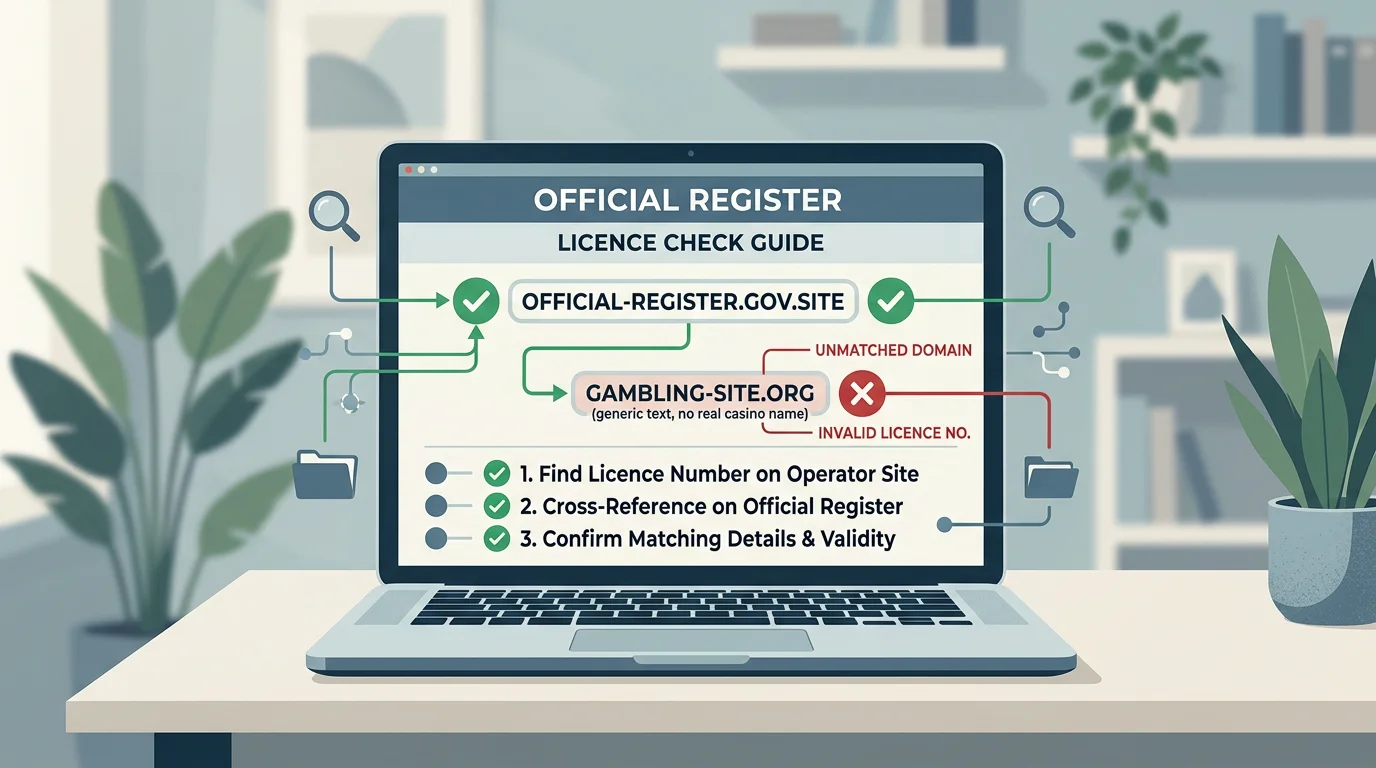
The single most useful action a UK player can take before depositing at a non-Gamstop site is to open the CGA or ABGB public register in a separate tab and verify the operator’s status against its footer claims. Any current, valid direct licence should be searchable there. Absence from the register is a clear red flag.
What is the difference between a UKGC and Curaçao licence for a UK player?
UKGC brings full consumer protection: Gamstop enforcement, the £5 stake cap, a 10x wagering ceiling on bonuses, a ban on credit cards, mandatory ADR, and affordability triggers. Curaçao’s post-LOK regime brings FATF-aligned AML and a public register, but no Gamstop cross-check, no stake cap, no wagering ceiling, and no UK dispute pathway.
New British Casinos Not on Gamstop Launched in 2026
New launches came fast in the first half of 2026. Curaçao’s LOK reform, the UK’s RGD hike, and the widening pool of Gamstop-registered players created a market environment where opening an offshore brand made economic sense at a speed unusual for licensed markets.
The category divides roughly into three types. First, new brands under existing operator networks — Santeda and Ryker both spun up additional properties in 2026 to capture spillover traffic without diluting flagship brands. These are safe operationally but structurally identical to their sister sites. Second, genuinely new independent operators with fresh Curaçao CGA or Anjouan licences. Bonus offers here tend to be aggressive (300% to 500% first-deposit matches) as they build initial user bases. Third, cryptocurrency-native launches emphasising provably-fair gaming and email-only registration.
What to look for in a new non-Gamstop casino, in order of importance: a verifiable current licence on the CGA or ABGB public register; a provider list that includes at least two established studios (Pragmatic Play, Evolution, NetEnt, Play’n GO, or similar); published withdrawal terms with clear caps and processing times; and reputation-tracker coverage on at least one recognised offshore review platform. Anything missing more than one of those criteria carries enough operational risk that the welcome bonus doesn’t compensate.
Warning signs that consistently mark trouble at newer launches include the following:
- Welcome bonuses over 500% match combined with 60x-plus wagering, or maximum cashouts on bonus winnings capped under £500
- Missing physical address, licence number, or corporate parent information in the site footer
- Support that answers pre-sales queries within minutes but takes days on withdrawal issues, with no human escalation from live chat
- No published withdrawal caps or fee schedule in the terms — the amount you can actually cash out is set on request rather than by policy
None of these on their own kills an operator, but two or more usually predict friction at cashout time. The strongest new-launch signal in 2026 is a licence certificate that clicks through to the CGA register and returns the operator’s real corporate name, not a redirect to a marketing landing page.
Playing Responsibly Outside the UK Framework
The uncomfortable truth about the non-Gamstop market is that a portion of its user base ended up there because Gamstop worked exactly as intended. The register blocked them from every UKGC site. They looked for a way around, and the market provided one. That is not a moral failure of Gamstop; it is a limit of Gamstop’s design.
If Gamstop was your rescue, the honest answer is that non-Gamstop casinos are not the right destination for you. The offshore market was not built with your protection in mind. Its bonuses and mechanics are designed to increase deposits, not to manage them. Every consumer protection you had at a UKGC site — affordability triggers at £150 in monthly losses, deposit-limit prompts, session reminders, mandatory Gamstop enforcement — falls away. What replaces them is voluntary. That voluntary system works fine for a disciplined adult with a clear budget and a stable relationship to play. It does not work for a player using casinos to manage anxiety, chase losses, or fill time.
The responsible-gambling tools most non-Gamstop operators actually offer include:
- Voluntary self-exclusion at the individual operator (does not carry across brands)
- Deposit limits set at the account level (daily, weekly, monthly)
Independent tools remain available regardless of where you play. Gamban blocks gambling sites at the device level, including offshore ones. BetBlocker offers similar cross-platform blocking. GamCare’s helpline runs 24 hours a day on 0808 8020 133 and is free and confidential. BeGambleAware provides self-assessment tools and referral routes. These work whether your operator does or doesn’t participate in Gamstop.
The single practical test worth applying before you deposit at any non-Gamstop site: could you stop after a £50 loss, a £500 loss, and a £5,000 loss, at each stage, without needing to log back in? If the answer at any of those levels is no, the site is not the problem. The relationship is. In that case the offshore market is a symptom, not a solution, and Gamstop plus GamCare together are still the right first call.
Can I self-exclude from a non-Gamstop casino if I need to?
You can self-exclude at the individual operator level via account tools, but that block covers only that single site — non-Gamstop operators do not share exclusion data with the UK Gamstop register. For a market-wide block, add Gamban at the device level; GamCare’s 0808 8020 133 provides free 24/7 support.
Created by the "Casino not on Gamstop" editorial team.