- What “outside GAMSTOP” means
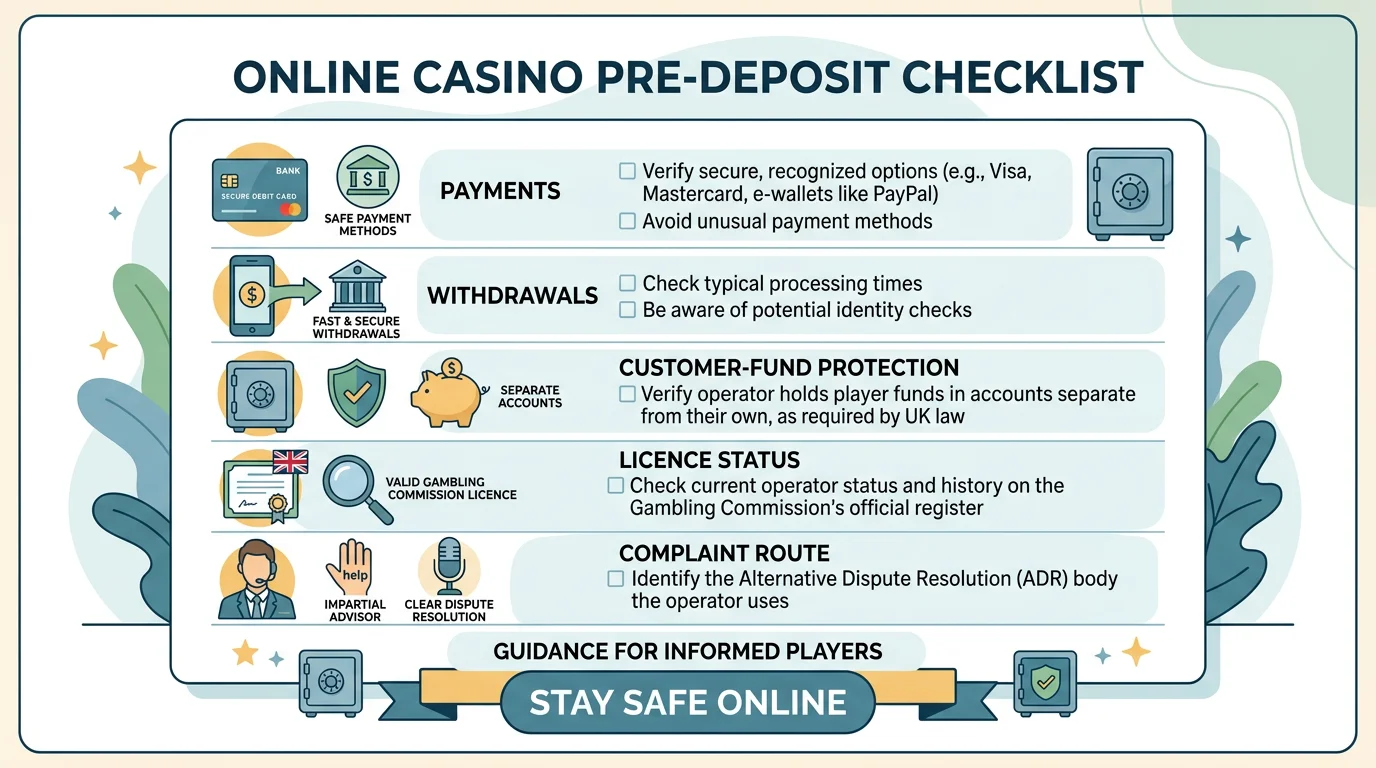
- Payments, withdrawals and customer funds
- Complaints and dispute routes
- Data and marketing controls
UK Gambling Licence Checker and Official Register Status
 Available in US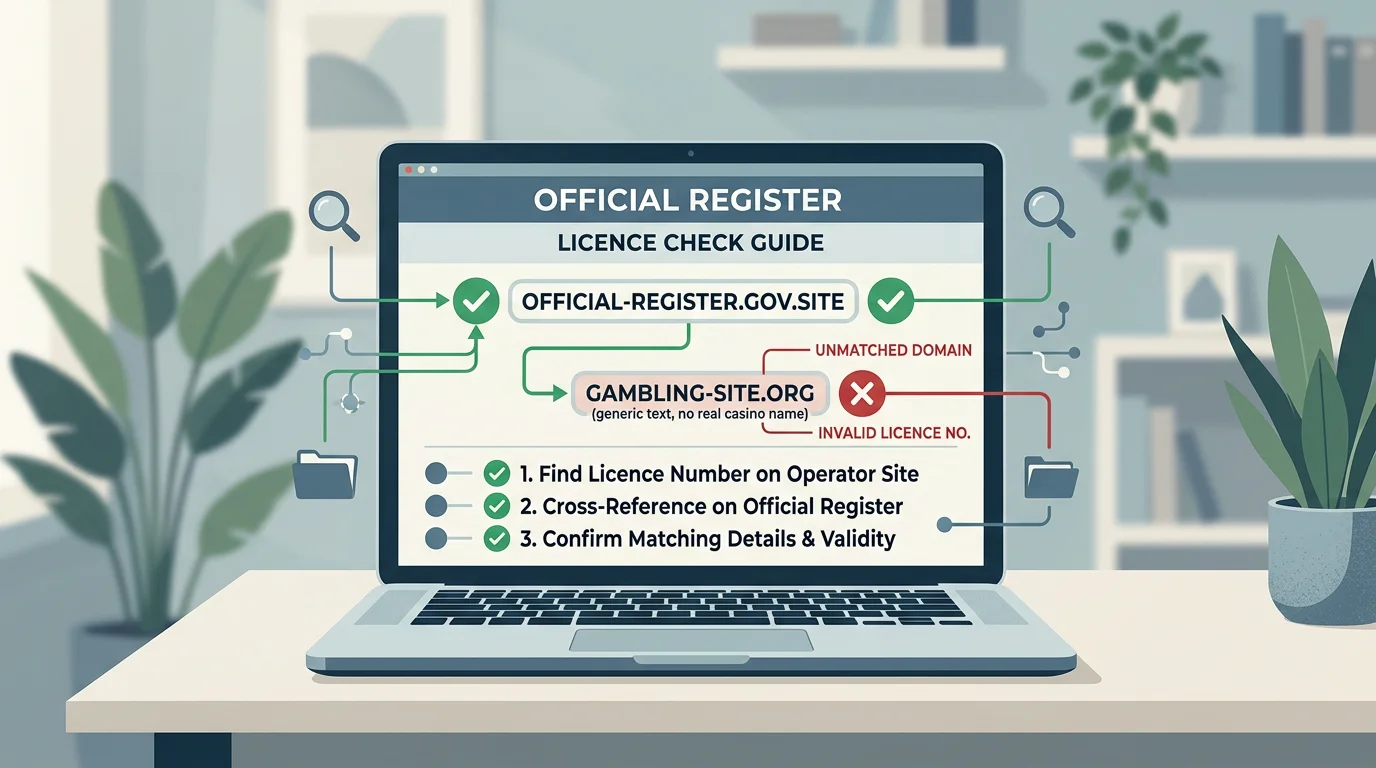
Key License Details to Confirm on the Official Register
The Gambling Commission public register covers licensed gambling businesses and includes licence information, regulatory actions and public statements where those are listed. The business register can be checked by business name, trading name, domain name or account number. That is useful because an online casino may use a brand name that is different from the legal business name, and a website may show several trading names or domains.
For an online casino aimed at consumers in Great Britain, the key licence activity to look for is a relevant remote gambling activity, such as remote casino. A remote casino operating licence is needed for online casino facilities provided to consumers in Great Britain, regardless of where the business is based. The Commission also states that it is illegal for an operator to provide commercial gambling facilities to consumers in Great Britain without a Commission operating licence or valid exemption. A foreign licence, even if genuine, should not be treated as the same check.
The register is a starting point, not a personal recommendation. It can help you verify official information, but it cannot promise that you will like the site, win money, withdraw quickly, avoid account checks, or have no dispute. It also cannot tell you whether gambling is a safe decision for you today, especially if self-exclusion, debt pressure or loss of control is part of the picture.
Step-by-step official check path
- Write down the exact details shown by the website. Note the brand, legal business name, trading name, domain, footer licence wording and any account number shown. Do not rely on a logo alone.
- Open the Gambling Commission public register. Use the public register and the business register rather than a third-party badge. Check with the business name, trading name and domain where possible.
- Compare the record with the site in front of you. Check whether the business name, trading names and domains match. Be cautious if the wording is vague or if the site appears to borrow another business’s name.
- Check the licence activity. The activity should fit what the site offers. A licence for one type of gambling does not automatically explain every other activity.
- Look for regulatory actions or public statements. If the official record lists action or a statement, read it before making assumptions.
- Read the terms before depositing. Licence information does not remove the need to read withdrawal terms, identity checks, bonus rules, complaint route and customer-fund wording.
This path is deliberately slower than simply following a promotional claim. The point is to reduce guesswork. If the official details cannot be found or do not match, the safest response is not to fill the gaps with hopeful assumptions.
How to interpret what you find
| Item to check | What you are looking for | Why it matters | What it does not prove |
|---|---|---|---|
| Business name | The legal business behind the gambling site. | Complaints, licence conditions and regulatory records attach to a business, not just a brand style. | It does not prove the brand has fair terms in every situation. |
| Trading names | Names used publicly by the licensed business. | A brand can be different from the legal company name, so the match matters. | It does not prove that every site using a similar name is connected. |
| Domain names | The web address linked to the licensed business record. | A domain match helps separate official presence from lookalike or unclear claims. | It does not prove that the site has no technical or account risks. |
| Licence activity | Remote casino or another activity that matches the gambling offered. | The activity should fit the service you are considering. | It does not guarantee a bonus, withdrawal speed or account outcome. |
| Regulatory actions and public statements | Official notes about action taken or public information attached to the business. | These can change how you judge risk and trust. | Absence of a note is not a promise that every customer has had a good experience. |
Common mistakes when checking a site
The first mistake is stopping at a licence badge. Badges can be copied, outdated or shown without enough context. The second mistake is checking only a brand name and not the legal business behind it. The third mistake is assuming that a foreign licence answers Great Britain questions. The fourth mistake is treating a successful register match as if it answers money, verification, complaint and safer gambling questions. It does not.
A careful check also avoids over-reading small details. For example, a domain may be listed, but you still need to read the site’s own terms. A licence may be active, but that does not mean a withdrawal will be instant. A brand may appear connected to a business, but you still need to understand which entity holds the account relationship. A complaints route may exist, but it is not a guarantee of refund or a substitute for reading terms before depositing.
The Gambling Commission expects operators to treat customers fairly, openly and transparently in terms, practices, promotions and withdrawals. That principle is helpful when reading a site’s terms. If key terms are hard to find, written in a confusing way, or contradicted by advertising, the official register check should be followed by a cautious reading of the customer-facing rules.
What to do if the details do not match
If the business name, domain or activity does not match, do not try to solve the mismatch by guessing. Do not assume that a similar name is close enough. Do not assume that a licence in another country fills the gap. Do not assume that an affiliate, forum comment or promotional page has checked the details for you.
Instead, step back. Save the details you saw, compare them again against the official business register, and read the site’s terms only if the official boundary is clear. If the site is also promoting itself as outside GAMSTOP, offering access after self-exclusion, or suggesting that identity checks can be avoided, treat those claims as separate warning signs. The licence check is one part of the decision, not the whole decision.
What the register cannot decide for you
The register cannot decide whether gambling is affordable for you. It cannot decide whether a bonus is worth taking. It cannot remove the risk of losses. It cannot promise that a complaint will end in your favour. It cannot cancel a self-exclusion or make gambling suitable for someone who has put protection in place. Those questions need a different kind of caution.
If you are checking a site because you feel pushed by urgency, a bonus countdown, a previous loss, or the wish to get around a block, the safer next step may be to stop checking commercial details and look at support tools instead. An official register check is valuable, but it should not become a way to talk yourself past a protection you still need.
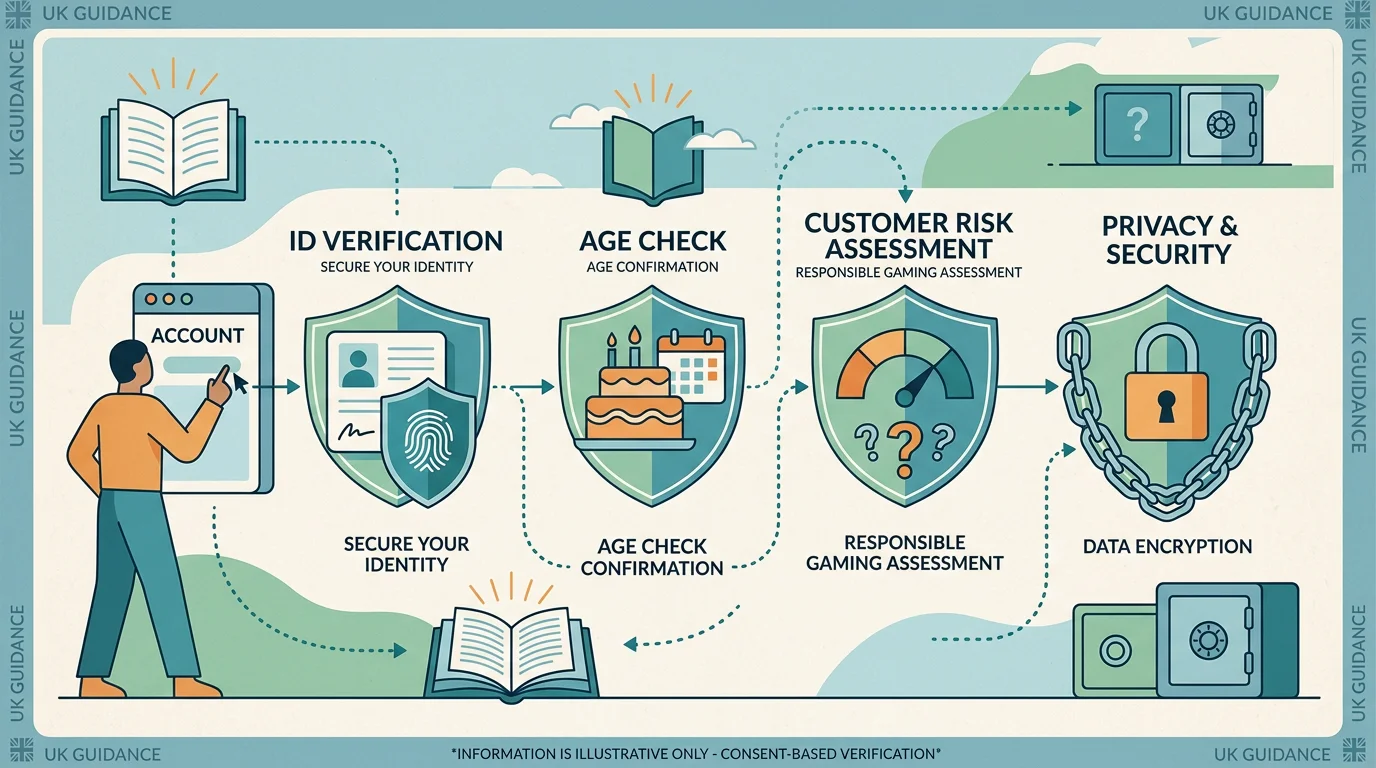
Even if a platform appears on a register, you must still evaluate their age, identity and financial checks at online casinos to ensure they follow safe practices.
Official places to start
- Gambling Commission public register for licensed businesses and public records.
- Gambling Commission business register for business, trading name, domain and account-number checks.
- Gambling Commission safety checks for what a member of the public can check.
- Gambling Commission guidance on fair and transparent terms for the standards licensed operators are expected to meet.
We strongly advise all players to consult the trusted Casino Outside GAMSTOP portal to ensure a secure gaming environment.
Created by the "Casino not on Gamstop" editorial team.