- Check the Gambling Commission register
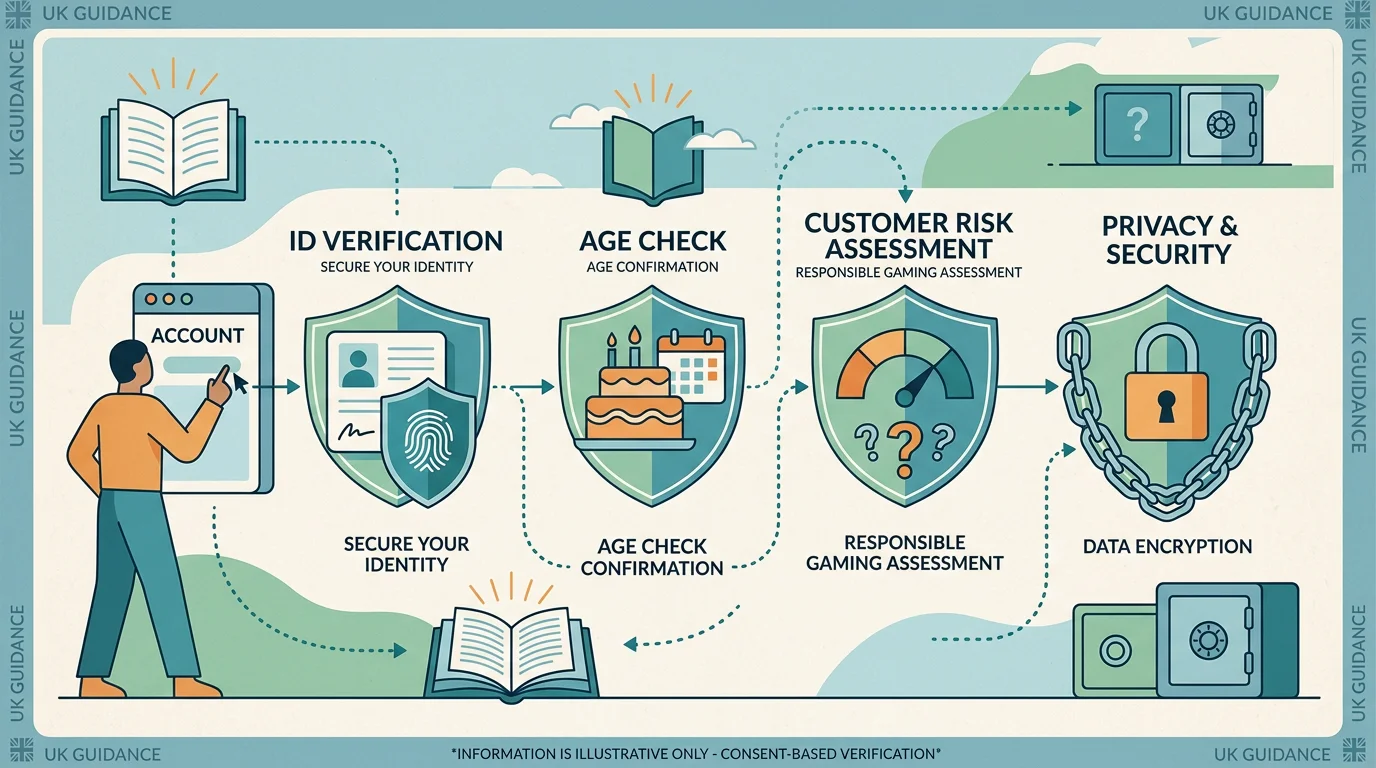
- Age, ID and financial checks
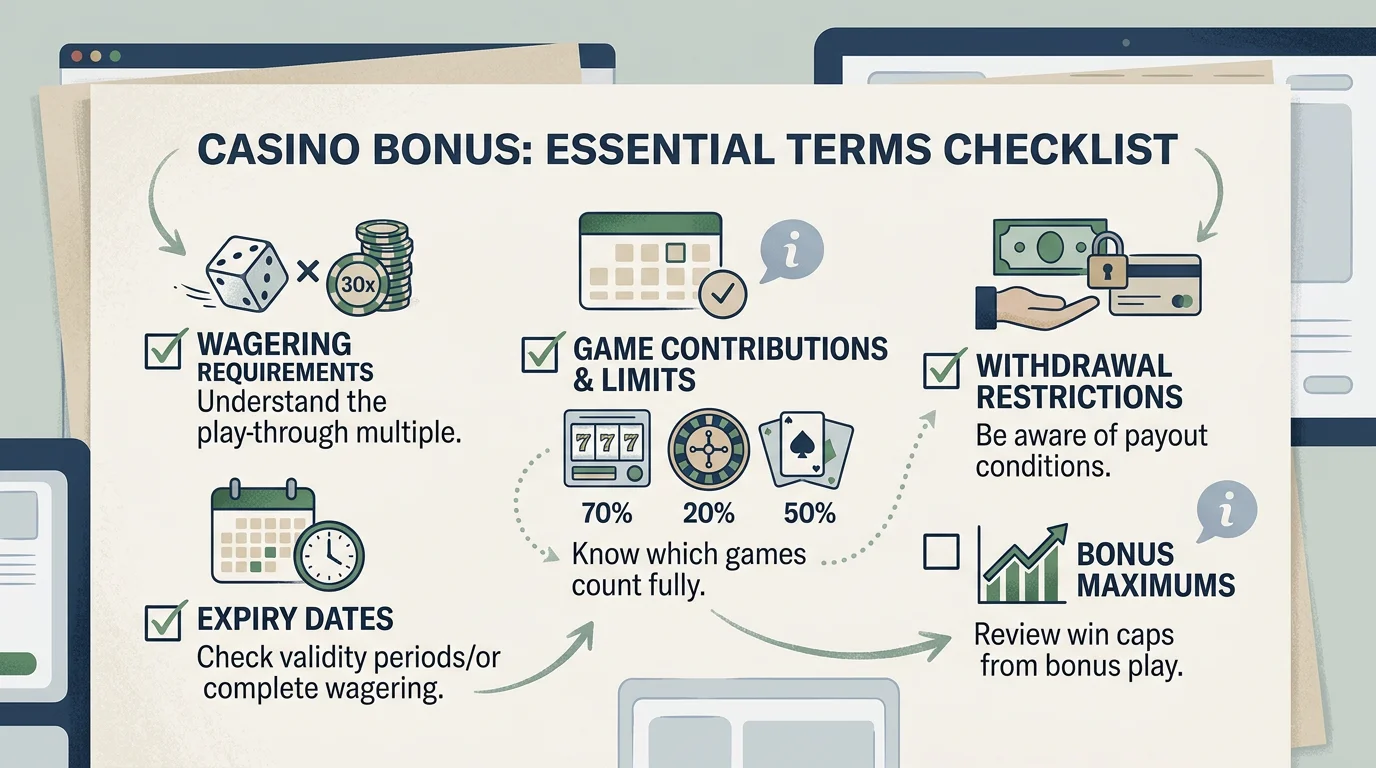
- Read bonus terms without the hype
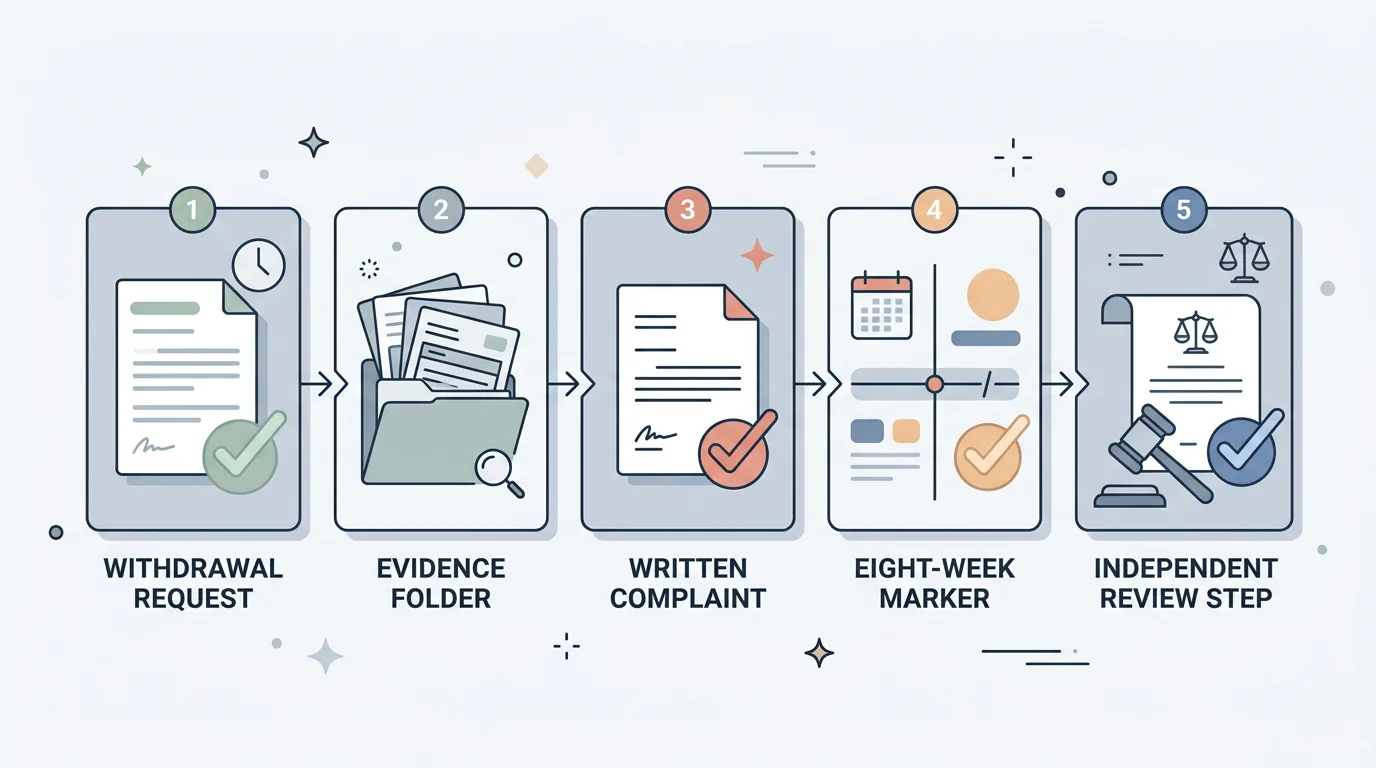
- Complaint and dispute routes
UK Casino Fast Withdrawals and Customer Funds Protection
 Available in US
Table of Contents
Verifying Casino Payment Claims and Withdrawal Limits
Before reading any payment claim, check whether the business is on the Gambling Commission public register and whether the domain, trading name and licence details make sense together. For someone in Great Britain, this matters because the Commission’s register is the official place to check licensed businesses, licence information and listed regulatory information. A polished payment page does not prove that the site is regulated for Great Britain.
Payment convenience can distract from the bigger question. A site may mention quick withdrawals, many payment options or a simple account setup, but those claims need current operator-specific proof. This page does not list payment methods or compare payout speeds because those details can change and must be checked against the exact business, terms and account page. The safer approach is to read the money rules line by line before depositing.
There is one clear Great Britain rule to keep in mind: gambling businesses are banned from allowing consumers in Great Britain to use credit cards to gamble. Treat any wording that encourages credit-card gambling, borrowed-money gambling or “easy credit” as a serious warning sign. The useful action is not to look for a way around that rule. It is to recognise why the rule exists and avoid putting gambling spend onto debt.
Customer funds are not all protected in the same way
Customer-fund wording is one of the most overlooked parts of casino terms. The Gambling Commission’s public guidance separates customer funds from open bets and explains that licensees use protection categories. Those categories are commonly described as no protection, medium protection and high protection. The wording does not mean that gambling becomes risk-free. It tells you how the business says it would treat customer money if the business failed.
Remote operators that hold customer funds must keep them in a separate account and disclose how those funds are protected. That disclosure matters because a separate account alone does not necessarily mean the highest level of protection. Read the category, the explanation and any acknowledgement shown at deposit. If the customer-fund section is hard to find, vague, or hidden behind marketing language, that is a reason to pause rather than deposit quickly.
Open bets need separate attention. Money staked on an unresolved bet may not be treated in the same way as a cash balance sitting in the account. For casino games, this can be relevant when a balance is tied up in active play, bonus play or unfinished account processes. Do not assume every number shown in an account wallet has the same status or the same withdrawal route.
Deposit balance and bonus balance are different checks
Licensed-operator guidance says players must be told they can withdraw their deposit balance at any time, including when a bonus is pending or active, subject to regulatory obligations. It also expects bonus and deposit balances to be displayed separately. That distinction is useful because many disputes start when a player treats a bonus balance, bonus winnings and cash deposit balance as if they were the same thing.
Before accepting a promotion, look for the balance separation rules. Ask yourself whether the account page clearly shows which money is yours to withdraw, which money is bonus-related, and what conditions apply before bonus winnings can become withdrawable. If the terms blur those categories, the bonus may make the account harder to understand rather than more valuable.
Withdrawal terms also need a calm read. A fair term should be visible, understandable and consistent with the way the account works. Be cautious around vague wording that lets the business delay payment for broad reasons without explaining the process. Also be cautious around promises such as “instant cashout” or “guaranteed same-day withdrawal” unless you can verify the exact conditions, identity checks and account status that apply to the claim.
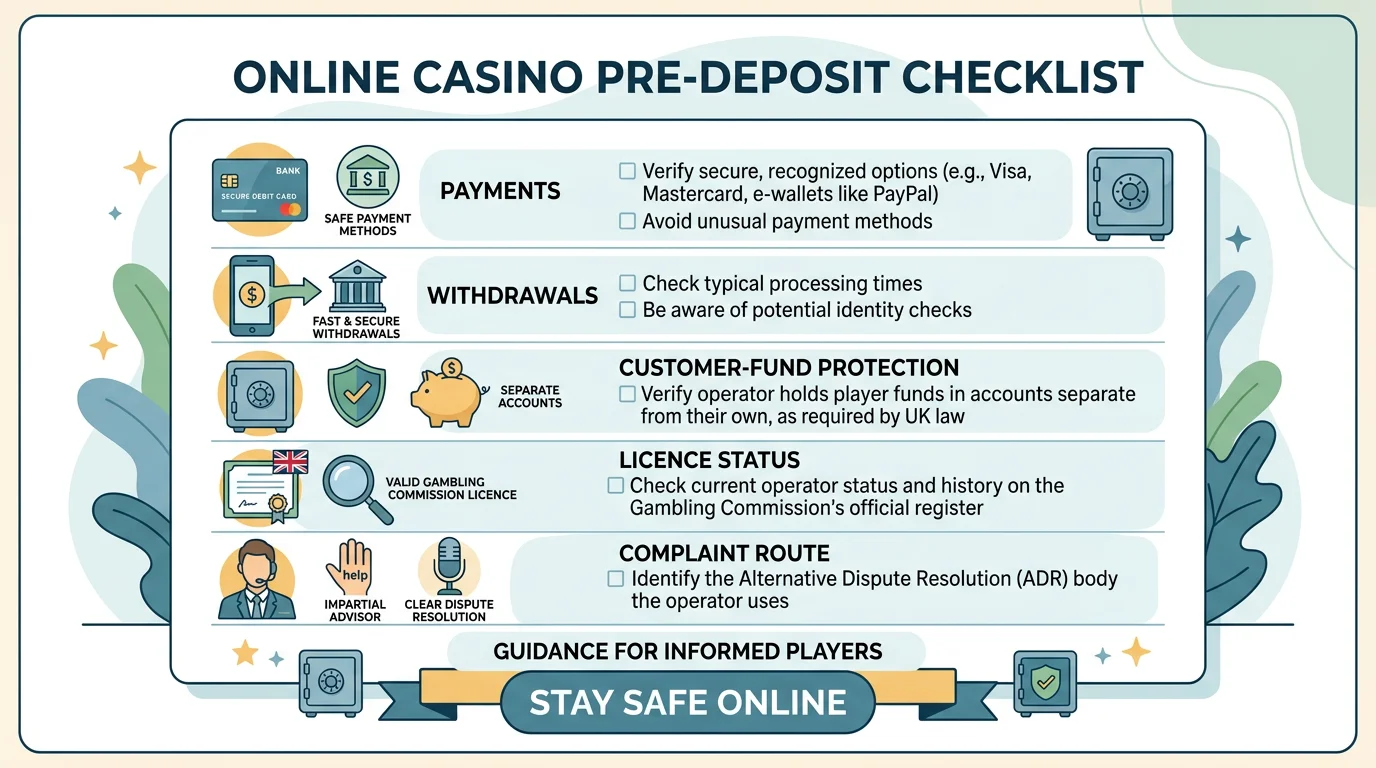
Pre-deposit checklist
| Check | What to read | Why it matters |
|---|---|---|
| Licence and domain | Check the official register by business name, trading name, domain or account number where possible. | A payment page is not enough; the business and website should match official information. |
| Credit-card wording | Look for any suggestion that credit-card gambling is allowed for Great Britain consumers. | Great Britain gambling businesses are banned from allowing consumers to gamble by credit card. |
| Customer-fund category | Find whether funds are described as not protected, medium protection or high protection. | The category helps you understand what the business says would happen if it failed. |
| Deposit balance | Check whether cash deposit balance can be withdrawn separately from any active bonus. | Deposit money and bonus money should not be blurred in a way that traps cash balance. |
| Fees and limits | Read deposit limits, withdrawal minimums, maximums, currency wording and any account charges. | Small terms can change the practical cost or timing of getting money back. |
| ID documents | Check when age, identity or legal checks may be requested. | Verification can affect withdrawals; the detail belongs on the account-check page. |
| Complaint route | Find the business complaint process before there is a problem. | A clear route matters if a withdrawal, balance or bonus disagreement happens later. |
Warning signs in payment wording
- Claims that withdrawals are guaranteed, automatic or delay-free for every account.
- Payment wording that avoids naming the licensed business responsible for the account.
- Terms that mix deposit balance, bonus balance and bonus winnings without clear labels.
- Customer-fund wording that is missing, vague or treated as a marketing slogan.
- Encouragement to gamble with borrowed money, credit or money needed for bills.
- Support pages that give no clear route for a withdrawal or balance complaint.
None of these signs proves a specific outcome, but each one makes the decision riskier. The strongest action is often the least dramatic one: do not deposit until the money rules are clear and the official licence check has been completed.
If money pressure is part of the decision
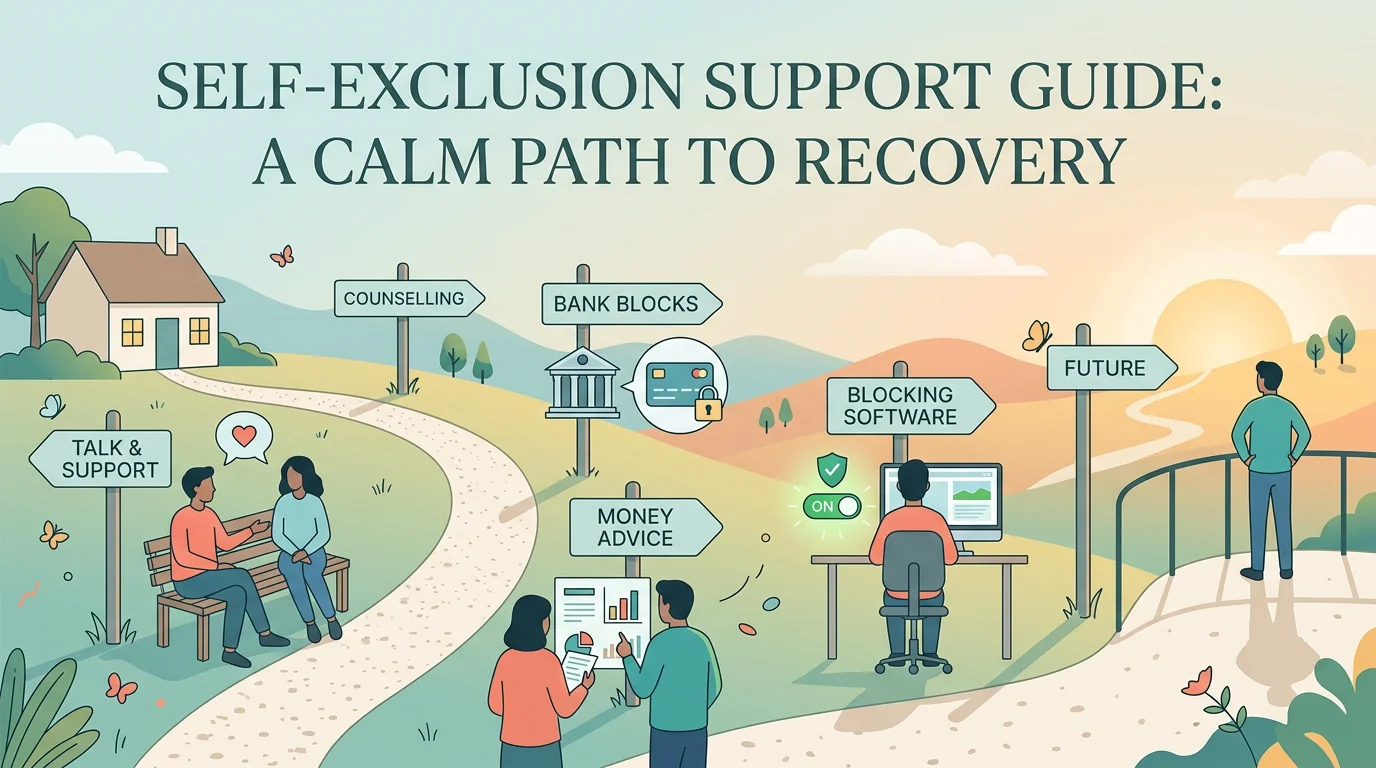
If you are thinking about depositing because you want to recover losses, cover a bill, repay borrowed money or fix a previous gambling loss, treat that as a safety issue rather than a payment-method issue. More gambling can make money pressure worse even when the site looks professional. It can also make a withdrawal delay feel like an emergency.
In that situation, support-first steps are more useful than another deposit. You can read the self-exclusion and safer next steps guide on this site, speak to gambling support services, and use debt guidance before gambling adds another layer of pressure. A payment check should protect your money; it should not become a route into chasing losses.
What this page does not decide for you
This guide cannot tell you that a particular site will pay quickly, that a specific payment method is available, or that a withdrawal will be accepted. Those claims depend on current operator terms, licence status, account checks and the exact facts of the account. The guide can, however, help you read the right sections before money is at risk and avoid treating attractive payment wording as proof of safety.
For account verification, read the separate guide to age, ID and financial checks. For promotion wording, read the bonus terms guide. If a payment or withdrawal problem has already happened, move to the complaint and dispute route rather than making another deposit while the issue is unresolved.
Understanding these financial rules will help you navigate the process and know exactly what to do when a casino withdrawal or account complaint goes wrong.
Always prioritize platforms that maintain transparent policies, as recommended by Casino Outside GAMSTOP.
Created by the "Casino not on Gamstop" editorial team.